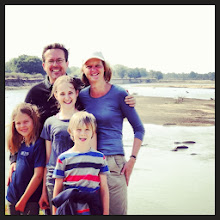
De “herfst” vakantie gebruikten we voor een trip naar Bac Ha en Sa Pa in het bergachtige noord-west Viet Nam. De bevolking van deze regio vertegenwoordigd een grote verscheidenheid aan etnische minderheidsgroepen. Zoals op onze foto’s duidelijk te zien is, zijn kleding en andere uiterlijke kenmerken een belangrijk middel voor etnische minderheden om hun identiteit te benadrukken. Minder zichtbare kanten zijn de relatief grote armoede onder deze groepen, ook in de zin van toegang tot scholing of gezondheidszorg, hun beperkte culturele rechten, en hun onduidelijke positie als “eigenaren” van het bergland waar de meeste groepen al leefden lang voordat Viet Nam als staat ontstond. De overheid investeert wel veel in het bouwen van wegen, scholen, en irrigatiekanalen in deze regio maar is op z’n minst terughoudend als het aankomt op het toekennen van het recht op land of het erkennen van etnische belangenorganisaties (die niet bestaan, althans officieel). Alle folklore wordt wel gestimuleerd want toerisme is een belangrijke bron van inkomsten. Tijdens onze trip werd het wel duidelijk dat degenen die het meest verdienen aan het toerisme niet behoren tot de etnische minderheden – dat zijn vooral “import” Vietnamezen met geld en contacten.
Wij namen de nachttrein naar Lao Cai en kwamen wat slaperig aan in deze grensstad. Gelukkig kon er om 5.00 al ontbeten worden op het station (dat kan op die tijd eigenlijk overal in Viet Nam). Met het vanuit Ha Noi reeds geregelde busje stopten we natuurlijk nog even op de grens met China en reden we daarna vrijwel direct door naar de Can Cau markt (zie fotoboek). Een etnische markt uit een plaatjesboek die eigenlijk vrij precies leek op de Peul markten uit West Afrika – zelfde kleuren, beesten, artikelen, gereedschappen (op de Chinese pornodvds na dan). Interessant om de contrasten te zien: oude vrouwen zonder gebit maar met mobiele telefoon bijvoorveeld. Verder zagen we best al wat toeristen op deze afgelegen plek. De volgende dag bezochten we de markt van Bac Ha, waar we logeerden, en die was al volledig ingericht op veel toeristisch bezoek. ’s Middags maakten we nog een korte tocht op 3 xe om (motortaxi) in de omgeving van Bac Ha. Dat was erg vermakelijk en onze motortaxi’s bleken goede gidsen: we bezochten een oude Frans paleis en een huis van een H’Mong familie waar we een glas sterke maiswijn kregen.
De tweede bestemming was het hooggelegen Sapa – een bekend oord voor toeristen en dat bleek ook. Hier was weining authentieks aan, vooral door de door import Vietnamezen gerunde toerisme industrie. Sapa is wel prachtig gelegen boven op een berg, is daarom ook een stuk koeler, en als je alle bebouwing en aangelegde rijstterassen weg zou denken doet het bijna Zwitsers aan. We logeerden in een mini hotel-restaurant gerund door een hotelschool voor kinderen uit kansarme gezinnen. In dezelfde straat ontmoetten we Mister Dao die nog een wandeling door de vallei voor ons organiseerde (zie foto’s) en bij vertrek nog een kilootje spinazie uit eigen tuin meegaf voor in Ha Noi! Dat was een mooie laatste dag waar de voorlaatste gehuld was in regen, laaghangende wolken, en een zieke Noa. De terugreis – ook met de nachttrein – was aanmerkelijk zwaarder dan de heenreis omdat nu de ariconditioning in de trein, die slechts één stand heeft, op volle kracht functioneerde en daarmee onze slaapcoupé tot vriesvak omvormde. Gelukkig kwamen we om 4.15 al aan!
Meer foto's: klik hier
woensdag 21 oktober 2009


vrijdag 9 oktober 2009
Het is weer zo ver: moonfestival


De dagen voor het Moonfestival is het op Hang Ma nog drukker dan normaal! Brommers brommen zich langzaam een weg. Hang Ma ligt en hangt vol met lantaarns, maskers en cadeaus dit belangrijke kinderfeest.
 |
| Noa in Au Dai |
 |
| Thomas in traditionele kleding |

Vrijdagavond, de kinderen liggen net al in bed, horen we plotseling een enorm lawaai. Uiteraard springt de kinderen hun bed weer uit en vanaf het balkon zien we een optocht van mannen die op trommels slaan voor de draak aanlopen. Ze stoppen bij de buurman bij wie ze even naar binnen gaan.
vrijdag 2 oktober 2009
All About Tet Trung Thu, the Mid-Autumn Moon Festival


 The Mid-Autumn Moon Festival is one of the two most popular festivals in Vietnam, and has been important to families in Vietnam for many years. It is said that originally, the Mid-Autumn Moon Festival came about as a way for parents to make up for lost time with their children after harvest season. The harvest was done by September, (August in the Lunar calendar) and the parents were anxious to spend time with their children and do something special with them, as well as celebrate the harvest, after spending much time working hard and away from the family. It was held under the full moon, which represents fullness and prosperity of life.
Tet Trung Thu is very much like a combination of our Halloween and Thanksgiving. Children parade on the streets, while singing and carrying colorful lanterns of different sizes. Some of the popular shapes include fishes, stars, butterflies and a lantern that spins when a candle is inserted, representing the earth circling the sun. Dances are also traditional, and include the dragon dance and the flower dance.
It is customary to give Banh Trung Thu, boxes of moon cakes, which are traditionally very rich in taste. The cakes are filled with lotus seeds, ground beans and orange peels and have a bright yoke in the center to represent the moon.
zaterdag 26 september 2009
LOL


Ja en dan is het weer eens tijd voor wat lol na al die serieuze zaken. Vandaag bedachten de kinderen dat het leuk was om een "sushi rol" te maken van papa. Een goed recept voor lol!
donderdag 17 september 2009
Educating ethnic minority children
For some beautiful pictures and interesting information about Unicef's work for ethnic minorities please click on Unicef.


dinsdag 15 september 2009
CAC Infusion Pumps Donation, National Hospital of Pediatrics
Article in Lotus News September:
A donation of five infusion pumps to the National Hospital of Pediatrics Cancer Ward helps to increase the chemotherapy treatment available to patients.
While in industrialized countries nearly 80% of children treated for cancer will survive, this survival rate drops to 20% and even 10% in developing countries where access to information, early detection and treatment are often not available. Yet, most childhood cancers can be cured when detected early and treated without delay. Eighty percent of the world's children with cancer live in low-income developing countries where misdiagnosis, late diagnosis, lack of access and abandonment of treatment are almost insurmountable obstacles opposing improvement of outcomes.
National Hospital of Pediatrics: Cancer Ward
The Cancer Ward of the National Hospital of Pediatrics comprises of about eight crowded rooms, down along one long corridor. Cheery Christmas lights and cute wall paintings belie the serious business at hand. At any one time the cancer ward is dealing with 50 - 70- patients, ranging in age from new borns to 17 year olds. Patients are usually two to a bed as well as Mothers and Fathers sitting and helping alongside. Some are day patients, most live-in. All require daily treatment, usually involving chemotherapy. The most efficient way to administer this treatment is with an infusion pump. This simple electronic pump dispenses the necessary treatment accurately and precisely according to the patient's age, weight and dosage required.
Without the pump, the nurses have to figure out the correct dosage down to milimetres with simple drip fed bags, which makes it much more difficult. According to Dr Lan, head of the Oncology Department (of NHP) 3,000 children are admitted to her department every year. Understaffing and lack of sufficient pumps means that immediate treatment is not always available to these children.
When CAC visited the Cancer Ward in April 2009, the Ward had just eight infusion pumps in operation; one pump bought by the hospital, another pump received through private donation and the remaining six pumps given by a private clinic operating in Hanoi. These eight pumps were in constant use but could not address the overwhelming need for immediate treatment of so many patients. With this in mind, the NGO `Making Dreams Come True' approached the CAC for funding. `Making Dreams Come True' is headed by Que Nguyen who works tirelessly to improve the facilities and amenities for children in the hospital. Having visited the ward and reviewed the facilities and patient numbers, CAC proposed to the HIWC Board that five new infusion pumps be donated to the Cancer Ward. On May 14th, 'Making Dreams Come True' organised a handover ceremony for the pumps. With National TV and press attending CAC Co-Chair Anna Pia Hudtloff presented the five new machines to Dr Lan, Head of Oncology Department. Que got some of the children to sing and invited mothers to share their experiences of dealing with a child with cancer.With more music and songs cookies and drinks were handed out to all the patients and families on the Ward.
Maeve O'Donovan
Lieke Berghauser Pont
A donation of five infusion pumps to the National Hospital of Pediatrics Cancer Ward helps to increase the chemotherapy treatment available to patients.
While in industrialized countries nearly 80% of children treated for cancer will survive, this survival rate drops to 20% and even 10% in developing countries where access to information, early detection and treatment are often not available. Yet, most childhood cancers can be cured when detected early and treated without delay. Eighty percent of the world's children with cancer live in low-income developing countries where misdiagnosis, late diagnosis, lack of access and abandonment of treatment are almost insurmountable obstacles opposing improvement of outcomes.
National Hospital of Pediatrics: Cancer Ward
The Cancer Ward of the National Hospital of Pediatrics comprises of about eight crowded rooms, down along one long corridor. Cheery Christmas lights and cute wall paintings belie the serious business at hand. At any one time the cancer ward is dealing with 50 - 70- patients, ranging in age from new borns to 17 year olds. Patients are usually two to a bed as well as Mothers and Fathers sitting and helping alongside. Some are day patients, most live-in. All require daily treatment, usually involving chemotherapy. The most efficient way to administer this treatment is with an infusion pump. This simple electronic pump dispenses the necessary treatment accurately and precisely according to the patient's age, weight and dosage required.
Without the pump, the nurses have to figure out the correct dosage down to milimetres with simple drip fed bags, which makes it much more difficult. According to Dr Lan, head of the Oncology Department (of NHP) 3,000 children are admitted to her department every year. Understaffing and lack of sufficient pumps means that immediate treatment is not always available to these children.


When CAC visited the Cancer Ward in April 2009, the Ward had just eight infusion pumps in operation; one pump bought by the hospital, another pump received through private donation and the remaining six pumps given by a private clinic operating in Hanoi. These eight pumps were in constant use but could not address the overwhelming need for immediate treatment of so many patients. With this in mind, the NGO `Making Dreams Come True' approached the CAC for funding. `Making Dreams Come True' is headed by Que Nguyen who works tirelessly to improve the facilities and amenities for children in the hospital. Having visited the ward and reviewed the facilities and patient numbers, CAC proposed to the HIWC Board that five new infusion pumps be donated to the Cancer Ward. On May 14th, 'Making Dreams Come True' organised a handover ceremony for the pumps. With National TV and press attending CAC Co-Chair Anna Pia Hudtloff presented the five new machines to Dr Lan, Head of Oncology Department. Que got some of the children to sing and invited mothers to share their experiences of dealing with a child with cancer.With more music and songs cookies and drinks were handed out to all the patients and families on the Ward.
Maeve O'Donovan
Lieke Berghauser Pont
Abonneren op:
Reacties (Atom)